
Removing wallpaper
Home » Demolition » Wallpaper removal
Related pages
ABOUT SLOOP CONCURRENT
- Nationwide coverage
- Well insured
- All certifications
- Customer-focused
- Skilled workmanship
- Affordable
- Professional
- Years of experience
Request a quote?
TABLE OF CONTENTS
- How Sloop Concurrent works
- Removing different types of wallpaper
- About Sloop Concurrent
- Tips for removing wallpaper yourself
- Want an exact price? Request a quotation
- Removing different types of wallpaper
- What customers say about Sloop Concurrent
- Have wallpaper removed by Sloop Concurrent
- Sloop Concurrent: certifications and insurance
- Sloop Concurrent: other popular services
- Request a no-obligation quote
Most types of wallpaper are fairly easy to remove from a wall. Warm water, a sponge and a filling knife will usually get you a long way. You can also remove wallpaper with a wallpaper steamer. The method you choose depends on the type of wallpaper and how much work you want to put into removing it. Some people prefer to work entirely by hand, while others favour a wallpaper steamer. Below, we explain how to remove wallpaper in a few steps.
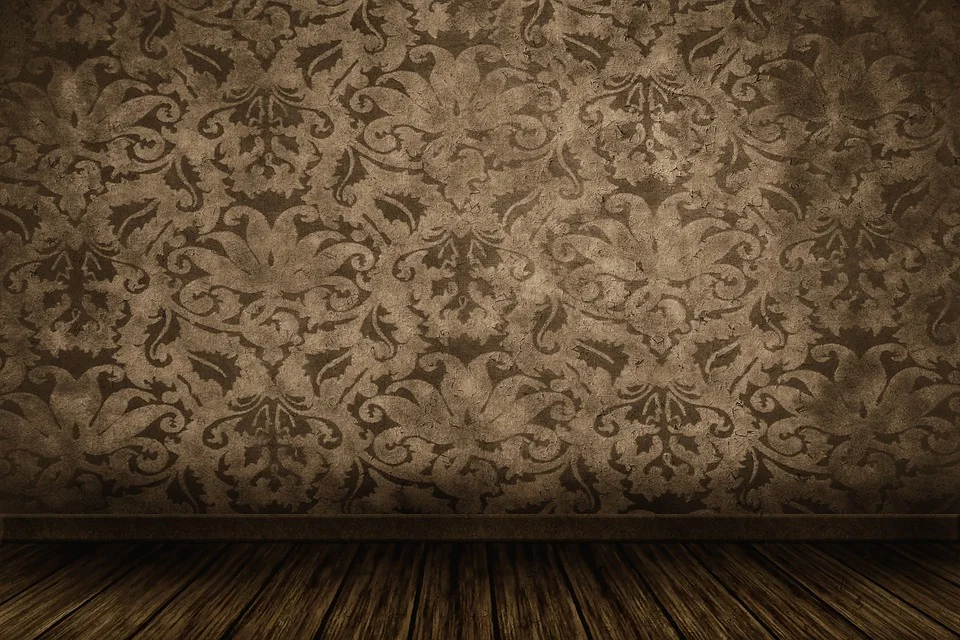
Preparing the wall and room
First, prepare the room where you will remove the wallpaper. Water is involved, so preventing water damage is important. Protect the floor thoroughly, move furniture to the centre of the room and cover it properly. It is also essential to cover any electrical sockets carefully or even switch off the relevant circuits.
Once the room is properly prepared, the wallpapered wall itself may also need preparation. This depends on the type of wallpaper. Some wallpapers have a dense, sealed surface that prevents warm water or steam from penetrating. In that case, the wall needs to be treated with a wallpaper scoring roller. The roller makes small holes in the wallpaper, allowing warm water or moisture to reach behind it so that it can be removed. Further down this page, you can read which types of wallpaper require this preparation.
Removing wallpaper with water
Removing wallpaper with water is effective and inexpensive. No machines or special equipment are required. All you need is a sponge, a stripping knife and, of course, a bucket of warm water. Wallpaper paste is usually water-based, so it dissolves when it comes into contact with water. Soak the sponge and rub it over the wallpaper. Make sure the wallpaper is thoroughly wet and leave the water to soak in for a few minutes. When the wallpaper starts to bubble, you can easily remove it from the wall with the stripping knife. Work carefully to avoid damaging the wall with the knife.
Removing wallpaper with a steamer
Would you like to keep water mess to a minimum? A wallpaper steamer may be a good option for removing wallpaper. You can buy one or hire one from a DIY shop, for example. With a wallpaper steamer, there is no need for a bucket of water and a sponge: you only need the steamer and a filling knife. Move the steamer's plate over the wall to dampen it, then use the filling knife to remove the moist wallpaper easily. Work carefully to avoid damaging the wall with the knife.
Removing wallpaper is physically demanding work. Do you lack the time or inclination to do it yourself, or are you unable to tackle it? Sloop Concurrent removes wallpaper from your walls quickly and neatly. We can, of course, also carry out any follow-on work. Ask us about the options!
How Sloop Concurrent works
Before we start work for you, you will naturally want to know how Sloop Concurrent operates. Below is a simple step-by-step guide. We take care of everything from start to finish.


Request a quote
Request a no-obligation quotation and receive a tailored price within 24 hours.
Schedule the project
If you accept the quote, we will schedule the demolition work with you

Carrying out the work
Our team starts work. We only hand over the project when you are 100% satisfied.



Removing different types of wallpaper
There are many types of wallpaper, each requiring a different removal method. Some take less time to remove than others. Read below for the best way to remove each type.
Removing non-woven wallpaper
Non-woven wallpaper is the easiest type both to hang and to remove. Take hold of a corner and peel the wallpaper away. This is usually fairly straightforward. If it does not come away in one go, lift a corner and slide a filling knife behind the loose section. Apply a little pressure to the knife and the non-woven wallpaper will come away from the wall.
No water is needed to remove non-woven wallpaper.
Removing fibreglass wallpaper
Fibreglass wallpaper is attached to the wall with a strong adhesive, so removing it takes more work. First, treat the wall with a wallpaper perforator or a knife to make small holes in the fibreglass wallpaper, allowing water to penetrate the wallpaper and adhesive. Then wet the wall thoroughly using a sponge and warm water. Leave the water to soak in for at least fifteen minutes, then remove the wallpaper one strip at a time. You can also use a wallpaper stripping solution, and a wallpaper steamer works well on fibreglass wallpaper too.
Removing vinyl wallpaper
Vinyl wallpaper has a sealed, waterproof surface and is therefore one of the most difficult types to remove. First, use a wallpaper perforator or a knife to make small holes in the vinyl wallpaper. Water can only get behind the wallpaper through these holes, as the wallpaper itself keeps water out. After this preparation, thoroughly soak the wall with water mixed with wallpaper stripping solution. Let it soak in well, then remove the vinyl wallpaper with a filling knife.
A wallpaper steamer can be used on vinyl wallpaper, but remember that you need one suitable for more difficult surfaces.
Removing duplex wallpaper or paper wallpaper
Duplex wallpaper consists of two layers of paper, making it a strong type of wallpaper. The stronger the wallpaper, the harder it is to remove. Duplex wallpaper should first be scored with a perforating roller or a knife, creating small holes that allow water to penetrate the wallpaper and adhesive. For duplex wallpaper, lukewarm water with washing-up liquid or a specialist stripping solution works best. A wallpaper steamer also works well, but make sure you use one suitable for more difficult surfaces. Wet the wall and leave the water to soak in for fifteen minutes. Remove the wallpaper with a stripping knife.
Removing painted wallpaper
If your wall has wallpaper that has been painted over, removal is usually difficult. Depending on the type of paint, it may be water-resistant and prevent water from soaking through. It is best to score painted wallpaper first with a perforating roller or a knife to create small holes that allow moisture through. Then thoroughly wet the wall with warm water, adding stripping solution if needed, and leave it to soak in for about fifteen minutes. You can then remove the wallpaper with a stripping knife.
Removing wallpaper is physically demanding work. Do you lack the time or inclination to do it yourself, or are you unable to tackle it? Sloop Concurrent removes wallpaper from your walls quickly and neatly. We can, of course, also carry out any follow-on work. Ask us about the options!
About Sloop Concurrent
Sloop Concurrent is a demolition company with nationwide coverage. Our certified demolition teams provide quality, professional demolition work throughout the Netherlands. With several operating bases across the country, we can help you quickly. Our 100 skilled demolition workers are happy to assist, and our efficient way of working allows us to offer demolition services at affordable prices.
Every day, we help private and commercial customers demolish, renovate and repair a range of structures. This includes complete demolition, but our experienced team is equally capable of removing a load-bearing wall or chimney. We confidently describe ourselves as a full-service demolition company.

Tips for removing wallpaper yourself
As you have read, removing different types of wallpaper can involve intensive work. It takes considerable physical effort and time. Still considering removing wallpaper in your home yourself? You may find the following tips very useful.
Spiked roller
Some types of wallpaper are more difficult to remove because of their dense or sealed surface. Vinyl and fibreglass wallpaper are common examples. Water cannot easily reach behind the wallpaper, so it cannot be removed without preparation. A scoring roller makes small holes in the wallpaper, allowing moisture through. After preparing the surface with the roller, you can dampen the wall using a wallpaper steamer or a sponge with warm water.
Better too wet than too dry!
To remove wallpaper effectively, it is important to soak it thoroughly. The moisture penetrates the paper and reaches the adhesive, which dissolves on contact with water.
- Wallpaper steamer
You can hire or buy a wallpaper steamer from a DIY shop. This easy-to-use device makes wallpaper removal easier. It also prevents excessive water in the room where the wallpaper is being removed. A wallpaper steamer cannot be used on plasterboard walls, as they absorb large amounts of moisture quickly. - Warm water and soaking
Warm water works best for removing wallpaper. Fill a bucket with warm water and use a sponge to thoroughly dampen the wallpaper. Allow the water to soak in and loosen it for at least five to fifteen minutes. Wet the wall from top to bottom to minimise water running where it is not wanted. - Household solutions
Warm water generally works well for removing wallpaper, but a few household products can speed up or improve the process. Fill a bucket with warm water and add a little Biotex, vinegar or washing-up liquid. Dampen the wallpaper with this solution and allow it to soak in thoroughly.
Want an exact price? Request a quote
Would you like to know what the demolition will cost? Request a quotation with no obligation and receive it by email within 24 hours. Would you prefer us to prepare a quotation on site? That is no problem at all!
Removing different types of wallpaper
As you have read, removing wallpaper is a demanding job that requires patience. It can also create a great deal of mess with water. Do you lack the time or inclination to tackle the project yourself? Sloop Concurrent's experienced tradespeople remove your wallpaper quickly while keeping water-related mess to a minimum. We work carefully and methodically to leave the walls as smooth and clean as possible. Would you like more information or a free, no-obligation quotation? Complete the contact form on this website, call us on 06-40125121 or email info@sloop-concurrent.nl.
Many people consider removing wallpaper one of the worst jobs. It is physically demanding, labour-intensive and requires patience. Sloop Concurrent is happy to take over and remove your wallpaper quickly and carefully. Read below about the types of wallpaper we remove and their characteristics:
- Paper wallpaper
Paper wallpaper is easy to hang and remove. It is an affordable type of wallpaper available in many colours, thicknesses and textures. - Simplex wallpaper
Simplex wallpaper consists of a single layer of paper, making it very thin. It is harder to hang but easy to remove. - Duplex wallpaper
Duplex wallpaper consists of two layers of paper, making it strong. It comes in smooth and textured forms. Removing duplex wallpaper is fairly demanding because of its strength. - Woodchip wallpaper
Woodchip wallpaper is one of the cheapest types of wallpaper. It consists of two layers of paper with wood fibres between them. It is easy to apply and is often painted over to create a textured wall effect. Removing it is often more difficult because it has usually also been painted. - Non-woven wallpaper
Non-woven wallpaper is strong and easy to work with. It is usually easy to apply and remove. In most cases, no water is needed to remove it. - Vinyl wallpaper
Vinyl wallpaper consists of a paper backing with a water-repellent plastic top layer. Removing it is a very demanding job, and thorough preparation with a wallpaper perforator is essential. A wallpaper stripping solution or specialist steamer is needed to loosen it from the walls. - Blown vinyl wallpaper
Blown vinyl wallpaper has a levelling paper backing with a layer of vinyl pressed onto it. It is hung using special adhesive for heavy wallpaper. Naturally, this makes removal a demanding job, and proper preparation is important for successful stripping. - Fibreglass wallpaper
Fibreglass wallpaper is a popular, durable type of wallcovering. Its disadvantage is that removal takes considerable work. It must first be treated with a wallpaper perforator. Additional stripping solution can make the job easier. - Textile wallpaper
Textile wallpaper is made from natural or synthetic fibres. It is reasonably easy to remove, depending on the adhesive used to hang it. - Temporary wallpaper for new builds
Temporary wallpaper is used in newly built homes and generally needs to remain on the walls for at least 6 months. After the agreed period, it can be removed fairly easily; a wallpaper steamer works well for this type of paper. - Photo wallpaper
Photo wallpaper can turn a wall into a real work of art. It is generally easy to remove, depending on the adhesive used to hang it.
What customers say about Sloop Concurrent
Sloop Concurrent would be nowhere without its customers. This is what our customers have to say about us.


Wallpaper removal by Sloop Concurrent
As you have read, removing wallpaper is a demanding job that requires patience. It can also create considerable water mess. Do you lack the time or inclination to do it yourself? The experienced tradespeople at Sloop Concurrent remove your wallpaper quickly while keeping water nuisance to a minimum. We work carefully and methodically to leave your walls as smooth and clean as possible. Would you like more information or a free quotation with no obligation? Complete the contact form on this website, call us on 06-40125121 or email info@sloop-concurrent.nl.
Sloop Concurrent: certifications and insurance
When you ask Sloop Concurrent to carry out your demolition work, you can look forward to a pleasant working relationship. Sloop Concurrent is well insured. We hold CAR insurance, or Construction All Risks insurance, covering material damage arising during the construction or installation of buildings, roads, bridges and systems. We have never had to make a claim on this insurance, but we prefer to be on the safe side.
Sloop Concurrent is also an accredited training company, training the skilled tradespeople of the future. All our demolition workers are trained in-house, and we do not subcontract our work. This is reflected both in the total cost and in the final result.
Asbestos must always be considered when demolishing structures. We therefore hold dNAA certification, which allows us to remove asbestos. We do so safely and responsibly.


Sloop Concurrent: other popular services
Demolition is work we carry out with passion and expertise. Below are some of the services our customers choose most often.
Request a no-obligation quote
Would you like more information about our demolition services or a free, no-obligation quotation?
We aim to provide a tailored quotation for your demolition project within 24 hours.
Sloop Concurrent
Olivierstraat 16, 2021BL Haarlem
Sloop Concurrent · Olivierstraat 16, Haarlem
View directions