
Removing creosote
Home » Demolition work » Creosote removal
ABOUT SLOOP CONCURRENT
- Nationwide coverage
- Well insured
- All certifications
- Customer-focused
- Skilled workmanship
- Affordable
- Professional
- Years of experience
Request a quote?
TABLE OF CONTENTS
- How does creosote form?
- What does creosote smell like?
- Is creosote dangerous?
- How Sloop Concurrent works
- Preventing creosote in chimneys
- Removing creosote from the chimney
- About Sloop Concurrent
- Removing creosote yourself
- What customers say about Sloop Concurrent
- Sloop Concurrent: certifications and insurance
- Request a no-obligation quote
Creosote is a tar-like, combustible deposit formed by unburnt particles. It is very difficult to remove because it forms an extremely hard crust, so a standard brush is not enough. When you have your chimney swept, the chimney sweep can check whether creosote is present. Ordinary soot is powdery and easy to remove. If your chimney contains creosote, a chimney sweep from Sloop-Concurrent can recognise it by the clumps of soot stuck to the flue walls.
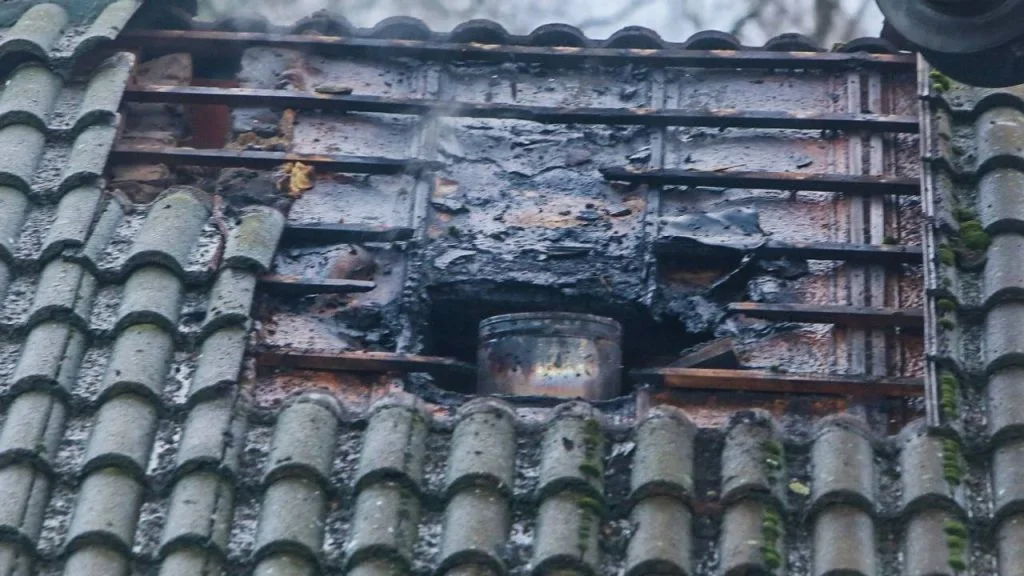
How does creosote form?
Creosote can form for several reasons, such as incomplete combustion of wood. It can also form when flue gases condense and mix with soot, creating sticky lumps that cling to the flue. Flue gases may condense when the combustion temperature is too low. This can be caused by rain entering the flue, poor insulation, damping the fire down too much so it does not burn efficiently, insufficient flow of flue gases or burning wet wood.
What does creosote smell like?
Creosote has a very strong smell that permeates everything. Rooms through which the flue runs can also begin to smell. Our chimney sweep will recognise the smell of creosote immediately.
Is creosote dangerous?
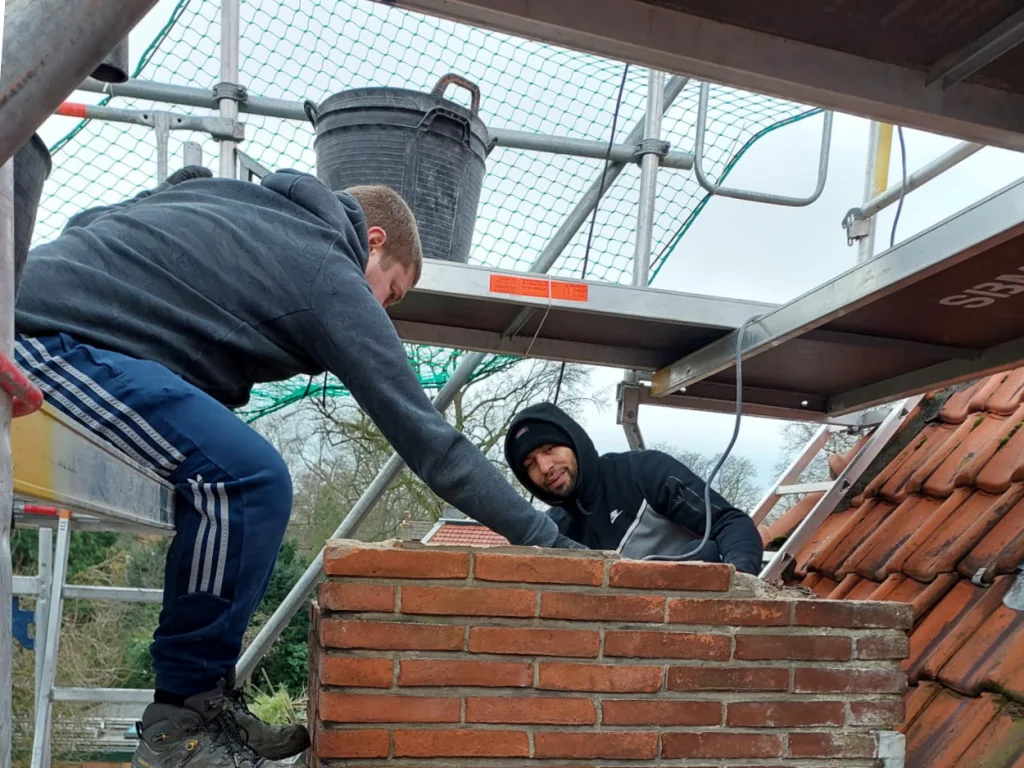
Creosote can certainly be dangerous because it can cause a chimney fire. In a chimney fire, the built-up creosote inside the flue ignites. Temperatures can reach 1000 degrees or more. As you can imagine, this can cause serious damage to your home and chimney flue.
How Sloop Concurrent works
Before we start work for you, you will naturally want to know how Sloop Concurrent operates. Below is a simple step-by-step guide. We take care of everything from start to finish.


Request a quote
Request a no-obligation quotation and receive a tailored price within 24 hours.
Schedule the project
If you accept the quote, we will schedule the demolition work with you

Carrying out the work
Our team starts work. We only hand over the project when you are 100% satisfied.


Preventing creosote in the chimney
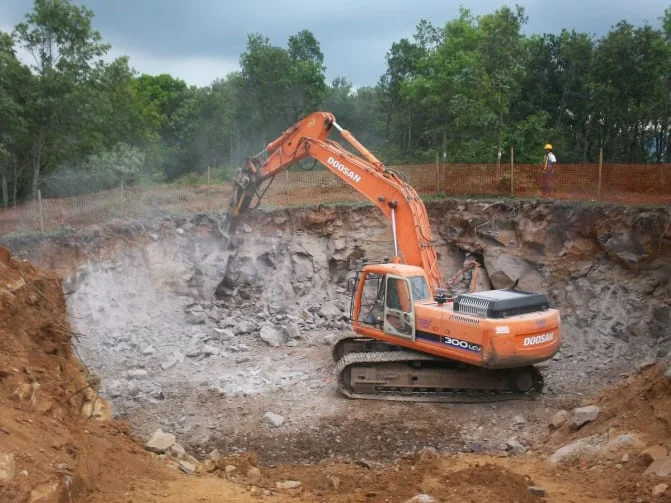
To prevent creosote, we recommend having your chimney swept by a chimney sweep at least once a year. Sloop-Concurrent works with experienced chimney sweeps who can leave your chimney thoroughly clean and advise you on preventing creosote. It is sensible to pay attention to the wood you burn: softwood, beech, birch or oak are suitable, preferably with a moisture content of no more than 20%. It is also better not to burn spruce, pine, chestnut, poplar, pallet wood or treated wood. Regularly letting the fire burn hot for a short time also prevents creosote build-up.
Removing creosote from a chimney
Creosote is very difficult to remove. A normal brush or wire brush cannot remove the thick layer. For these difficult jobs, Sloop Concurrent works with experienced chimney sweeps who can clean your chimney using specialist methods.
About Sloop Concurrent
Sloop Concurrent is a demolition company with nationwide coverage. Our certified demolition teams provide quality, professional demolition work throughout the Netherlands. With several operating bases across the country, we can help you quickly. Our 100 skilled demolition workers are happy to assist, and our efficient way of working allows us to offer demolition services at affordable prices.
Every day, we help private and commercial customers demolish, renovate and repair a range of structures. This includes complete demolition, but our experienced team is equally capable of removing a load-bearing wall or chimney. We confidently describe ourselves as a full-service demolition company.

Removing creosote yourself
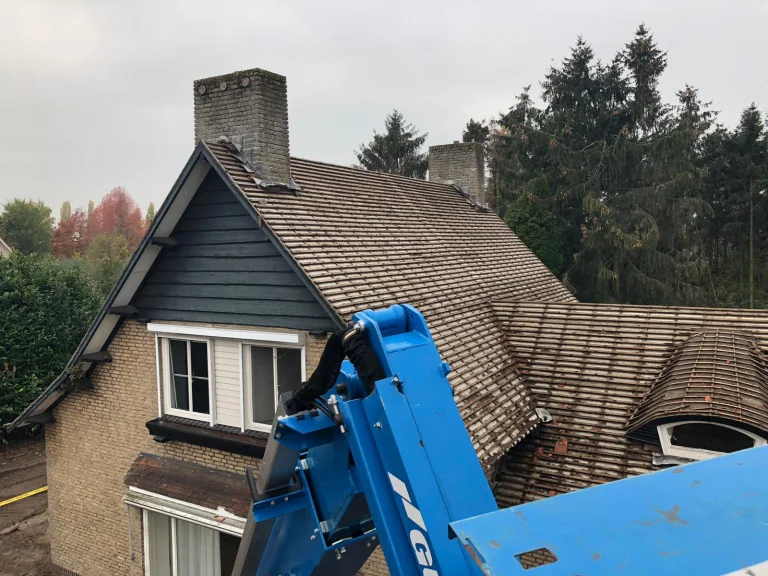
Creosote is difficult to remove yourself, although various powders and chemical cleaners claim to remove this hardened layer of tar. We recommend using an accredited company to remove creosote so that you can be sure your fireplace is safe again. If Sloop Concurrent's chimney sweeps clean your chimney, you always receive a cleaning certificate. Should you ever experience a chimney fire, your insurer may ask to see it.
What customers say about Sloop Concurrent
Sloop Concurrent would be nowhere without its customers. This is what our customers have to say about us.


Sloop Concurrent: certifications and insurance
When you ask Sloop Concurrent to carry out your demolition work, you can look forward to a pleasant working relationship. Sloop Concurrent is well insured. We hold CAR insurance, or Construction All Risks insurance, covering material damage arising during the construction or installation of buildings, roads, bridges and systems. We have never had to make a claim on this insurance, but we prefer to be on the safe side.
Sloop Concurrent is also an accredited training company, training the skilled tradespeople of the future. All our demolition workers are trained in-house, and we do not subcontract our work. This is reflected both in the total cost and in the final result.
Asbestos must always be considered when demolishing structures. We therefore hold dNAA certification, which allows us to remove asbestos. We do so safely and responsibly.


Request a no-obligation quote
Has this information made you wonder about the condition of your chimney, or are you having problems with your open fireplace? Contact Sloop Concurrent's chimney specialists. We are happy to listen and visit to provide advice or clean your chimney, all at our competitive rates. You can reach us on 06-40125121. We are happy to help!
Sloop Concurrent
Olivierstraat 16, 2021BL Haarlem
Sloop Concurrent · Olivierstraat 16, Haarlem
View directions